sometimes there is a misconception about meditators being “navel gazers” and meditation just being some form of “self-help”. and this may be true for some (btw – not that self-help is a bad thing! self-help can be a very beneficial pursuit on one’s journey to and practice of healthy living.)
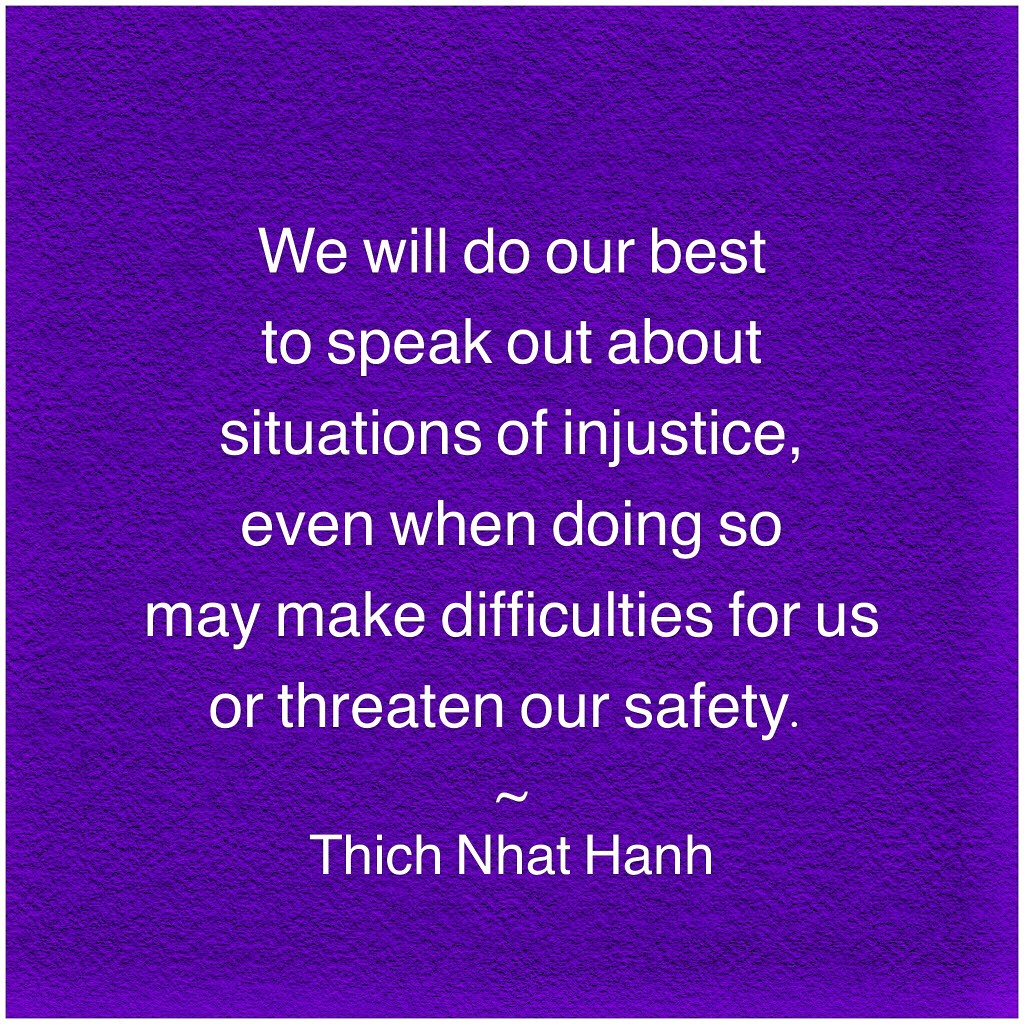
but from a Buddhist perspective, meditation practice is not about just oneself. how can it be? one of the foundations of Buddhism is recognition of our interdependence. we don’t exist in a silo. as Buddhists, when we meditate, we meditate for the benefit of all beings (which does also include ourselves). our intention to “wake up”, is to do so for the benefit of others. and on a practical level this makes a lot of sense. if we are more at ease, clear headed, open hearted, and stable, then we bring these qualities to those we interact with.
of course, we don’t have to be Buddhists to have and set such intention. each of us, as we sit down to meditate no matter our tradition or non-tradition, can do so with the intention to wake up to ourselves and our lives not just to our benefit, but to he benefit of those around us as well. we can dedicate whatever benefits of clarity, strength, stability, open heartedness, calmness, ease, and insight we have to those around us on outward to everyone we encounter and even those we may not encounter.
may we practice in such a way, that all life benefits from our practice.
wishing all who observe, a beneficial Ash Wednesday and beginning of the Lenten season!
so many will participate in prayer and renunciation during this period leading up to Easter.
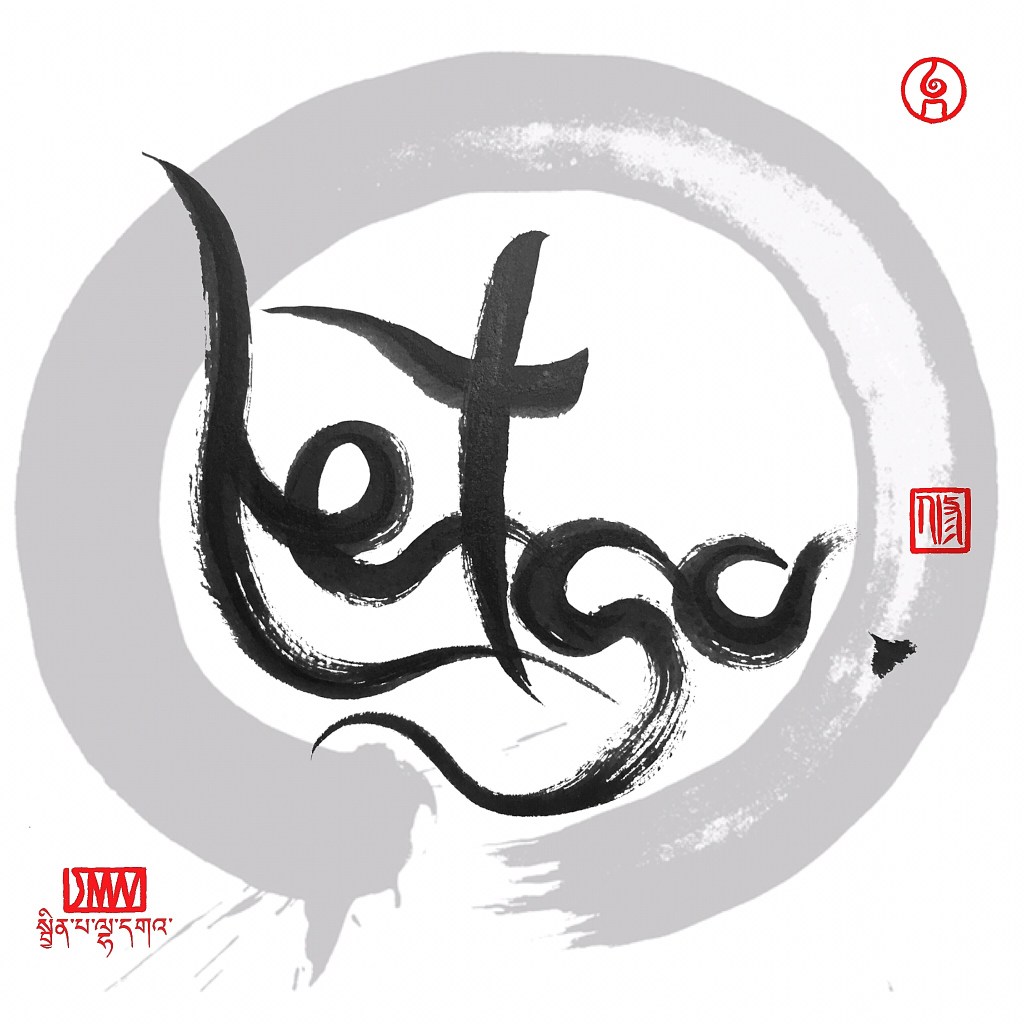
renunciation can really get a bad rap. we rarely want to sacrifice or fast from things. we can change our perspective though. renunciation is really an act of freedom. letting go of things, allowing them to escape our grip, our habit, our patterns, can be extremely liberating. we can approach it with some investigation and curiosity. do i really need this? how do i really feel without it? what are my relationships to things, food, habits, patterns in my life?
renunciation can also be a form of simply reprioritizing what is important and needed in our lives. our letting go, can make room for more beneficial habits and the Lenten season can be a really beneficial period to develop these new, beneficial habits.
we can use this time to reestablish our relationship to ourselves and how we love our life.
ah, beautiful Rumi! so comforting and reassuring. his call to our hearts can be applied to our meditation practice as well. one of the hallmarks of our practice is beginning again. when we realize we have drifted off into thought, we gently return to placing our attention on our breath. we don’t judge or criticize, we just come back and begin again. over and over, this is the practice. it doesn’t matter how many times. we become lost in thought, we come back. we miss a day, we come back. we miss a week, we come back, and on and on. don’t despair! hold all of it in love, with your gentleness, your tenderness, and kindness.
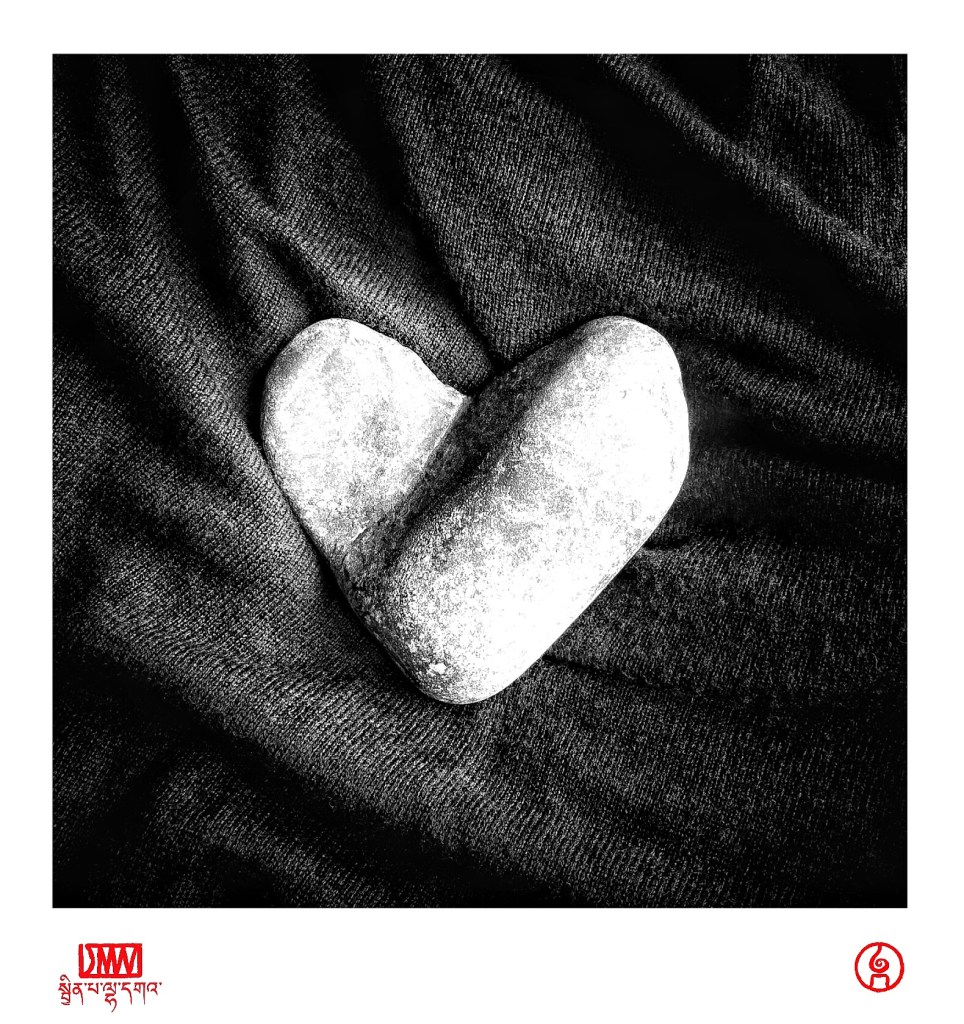
on this day, we celebrate romance and relationships, which can be a beautiful expression of love.
but why limit our idea of love?
love is far more vast than romance and can be found in so many places if our hearts are open to it.
it is true, that love is everywhere, and that includes our very own hearts.
we can begin there. begin by loving ourselves well, with open-heartedness, with tenderness, kindness and compassion. we too are worthy of our own love.
Chögyam Trungpa Rinpoche said, “It is this tender heart that has the power to transform the world.”
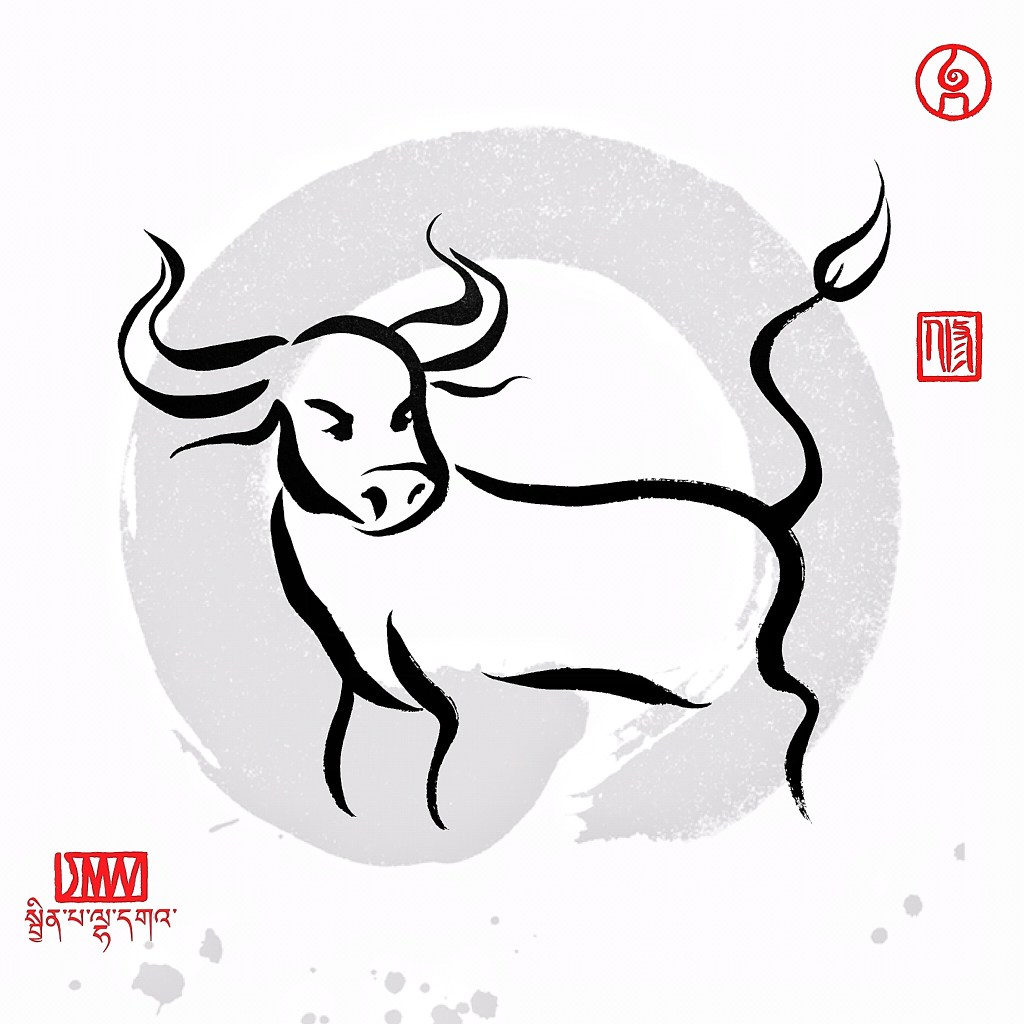
Tashi Delek and Happy Losar, the Tibetan New Year!
also, Happy Chinese New Year and Lunar New Year!
2021 is the Year of the Iron Ox. the Iron Ox has a calm, steady strength and is tenacious, and also has a sense of integrity and responsibility – all traits we can practice in this year ahead!




 The Metta Garden