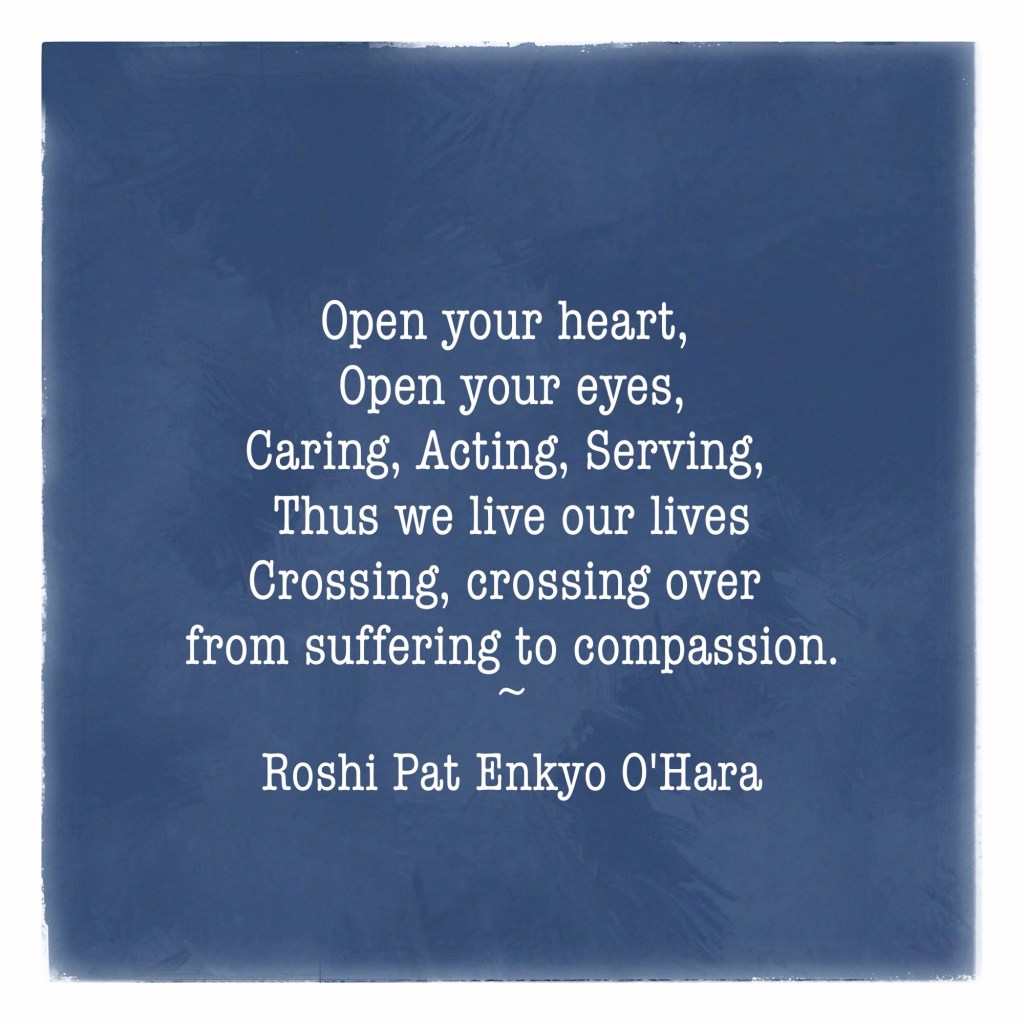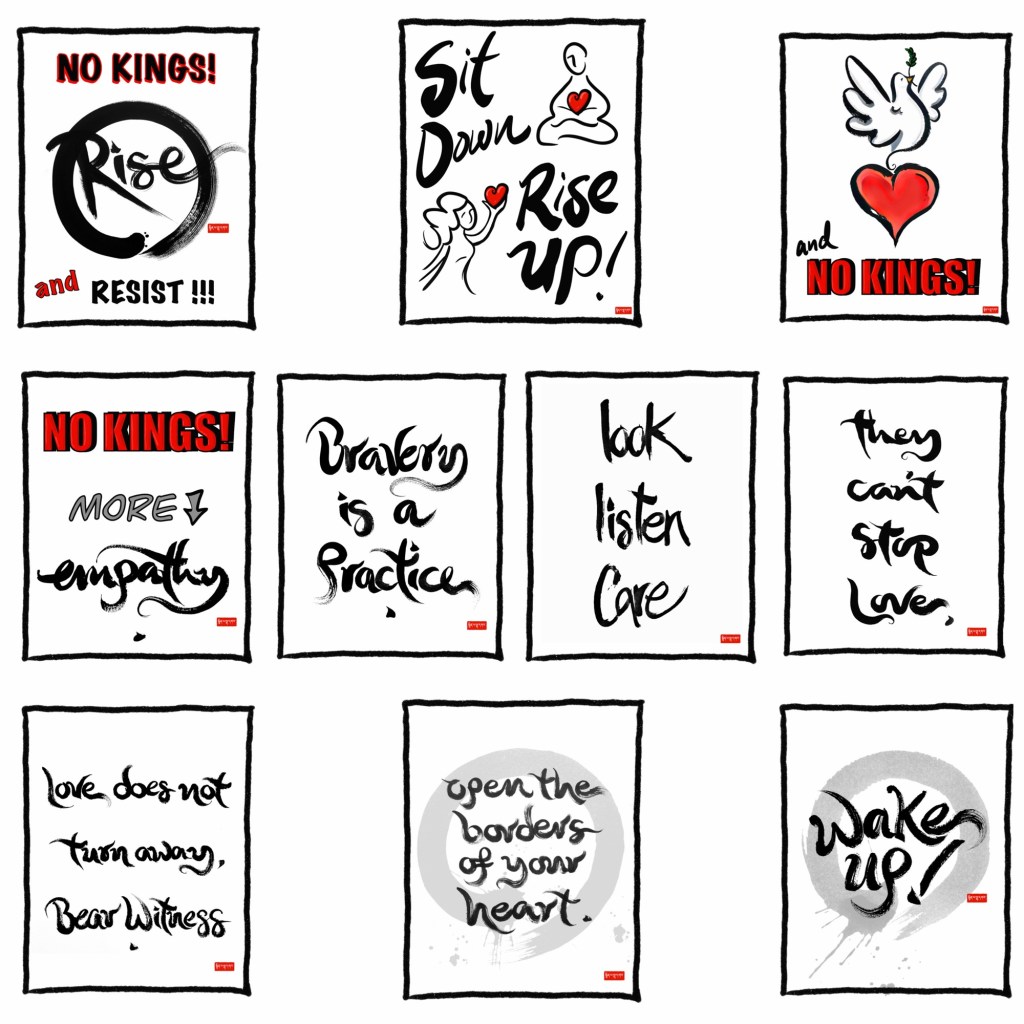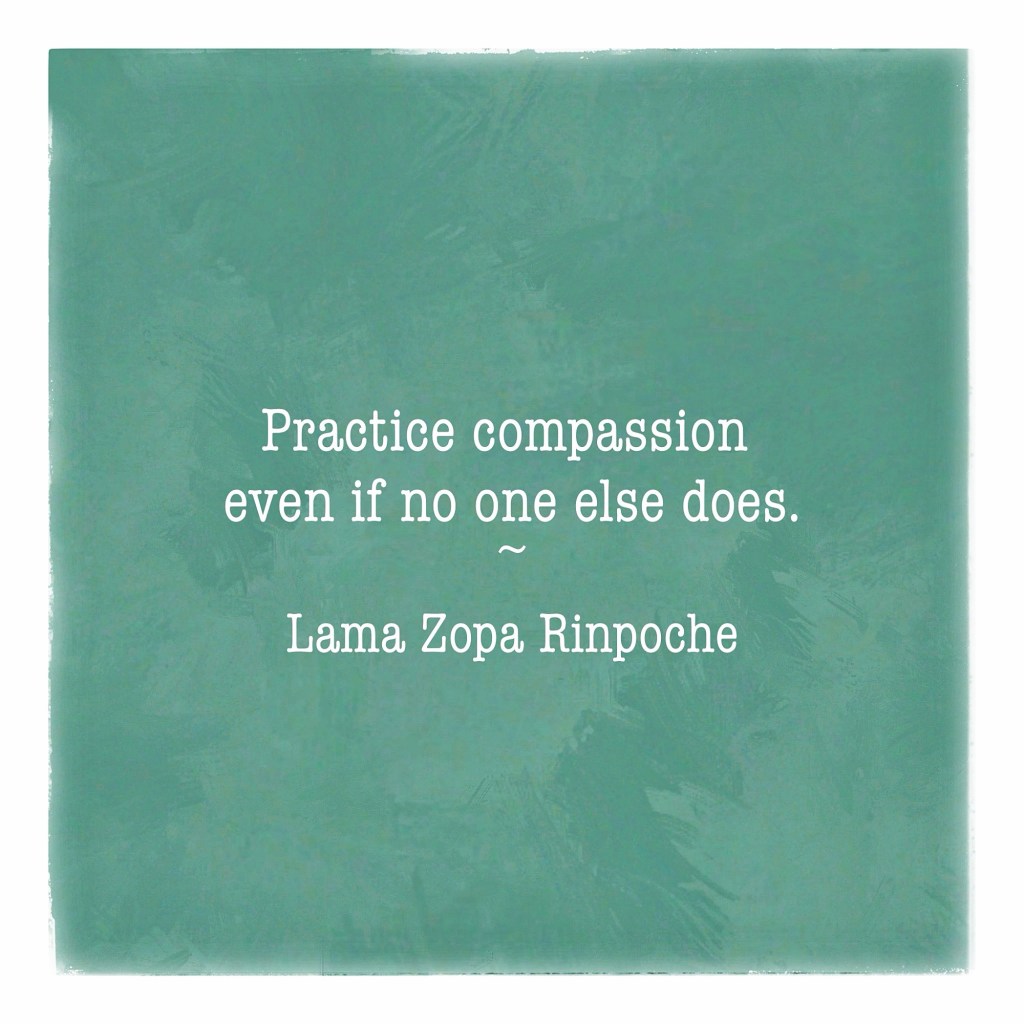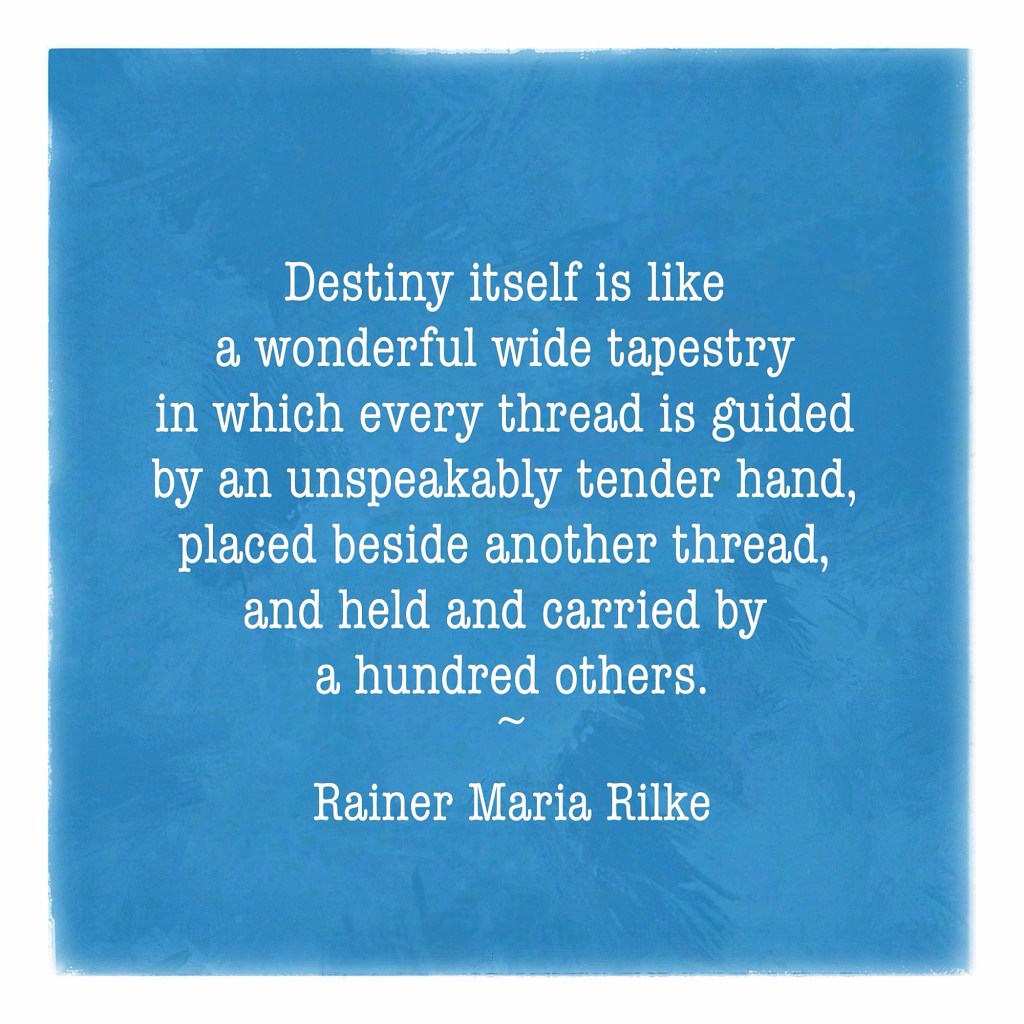
there is a predominant group of people doing some bad things, acting indifferent & cruel, but these aren’t all or even most of the people in our scope of awareness. we just need take the time to look. if we take time to look, really look & pay attention to the people around us & that we interact with, i think we’ll see we are surrounded by saints & bodhisattvas. a family member we feel safe with, a friend who always seems to know when to text or call, a coworker who lifts up our best work, a barista who greets us with a smile already knowing our favorite coffee, a nurse or doctor who takes time to listen, & so many others. we can make it an intention & practice to take time to notice such kindness & spaciousness by those around us. it can restore our hope & buoy us, & we can decide to be such a presence for others & a world in need of such people willing to be love.
to see so many of our leaders move from pro-democracy to anti-democracy, to shift in their values, their ethics, & morals, seemingly so easily, has reminded me of a proclamation, a phrase, that i often see in Zen circles & that i have used myself, which is “live by vow“. this proclamation points to our deep alignment w/ what we care about, value, & hold to be sacred & true. then living our lives in alignment with that. it does not mean that we are inflexible, on the contrary, we must be flexible to live by vow, because our devotion to love, to what is true, to what is right & beneficial to others & ourselves, & to the world, must be flexible to meet the needs of the moment, without abandoning our devotion to our alignment with what is love, what is true, what is beneficial to others & ourselves, & to the world.
it seems to me that in this moment, when so many people seem to shift in what they deem is moral, ethical, & certainly what they consider as truth, there must be some of us who “live by vow” as an act of integrity, which in this moment is an act of resistance & rebellion, for the benefit of our world.
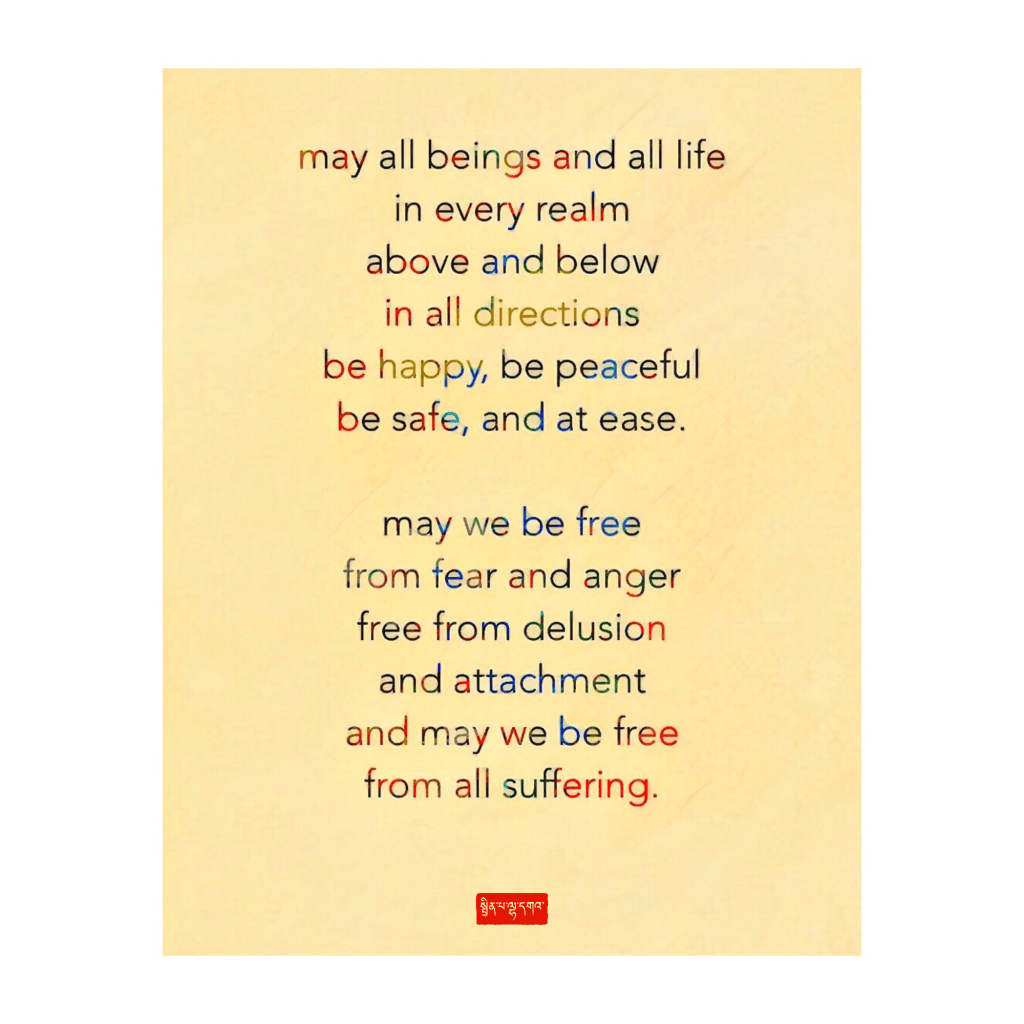
there is a practice from the Buddhist tradition, i practice daily. it is called “dedication of merit” & generally takes place after a session or period of practice. i find it so beautiful, embodying the heart of practice – to relieve suffering (ours & others) – & a good way to maintain perspective that we are all in this together. there are many versions of dedicating merit, w/ different traditional phrases used. the one that most resonates w/ me, i learned from Dharma Moon, during my Mindfulness Teacher Training & Metta Meditation Teacher Training programs w/ them (the 2 Year -Year Long Buddhist Studies program they offer used a different phrase/verse). the one used with the teacher trainings incorporates the Four Brahmaviharas (also called the Heavenly or Divine Abodes, & Sublime States). they are wonderfully beneficial to work w/ in any case, but really capture the state of mind i feel when dedicating merit. the Four Brahmaviharas are: loving-kindness, compassion, sympathetic joy, & equanimity. these qualities or virtues are meant to be practiced at all times, to nurture a mind-state that is free of selfishness & hatred. when used in dedication of merit, it may remind us of metta or loving kindness meditation’s traditional verses. there is a line recited for each of the Four Brahmaviharas. it’s important to note that dedicating the merit – or the benefit – of our practice whether it be our meditation, prayers, our work, or play is something we all can do no matter our religious, spiritual, or secular background or current tradition. in short – you don’t have to be Buddhist to practice it! it’s simply a way of wishing others benefit from the goodness, the love, the light, we cultivate in our practice.
i’ve shared here, the version i adopted from Dharma Moon, & then revised for my own particular tastes, & currently use – however, you may want to look up other verses used as well, or write your own to make it more personal & powerful for you if you choose to implement in your practice.
there is a Buddhist practice called Lojong, or mind training, where we work with slogans or phrases in our daily life. one of the phrases i’ve worked with from time to time is Slogan 28, “abandon any hope of fruition.” on the surface, this phrase can sound quite dismal, and i can feel resistance arise – which is a place of practice in itself. that initial aversion to the phrase may make us miss the point. i think this slogan is asking us – what am i willing to do now, willing to commit to, no matter how things end up? am i willing to plant the seeds of love, of open-heartedness, tenderness, compassion, wisdom, & peace independent of any preferred results? am i willing to do good now, simply because it is good & beneficial without it being dependent on my seeing any results? doing good for its own sake? being love now, for its own sake?
we are living in a moment where being transactional has been elevated by some of the most powerful people in leadership. to simply do good anyway, regardless of outcome, without any guarantee of later reward, or the good coming to fruition, can be a powerful form of resistance to the “transactionalism” we are seeing right now, & a beautiful, gracious way to live.
like Pope Leo XIV, Francis was the Pope needed for the time. a recentering on inclusive love “todos, todos, todos.”
a recentering on the plight of the immigrant & refugees, & others pushed out. a priority Leo continues.
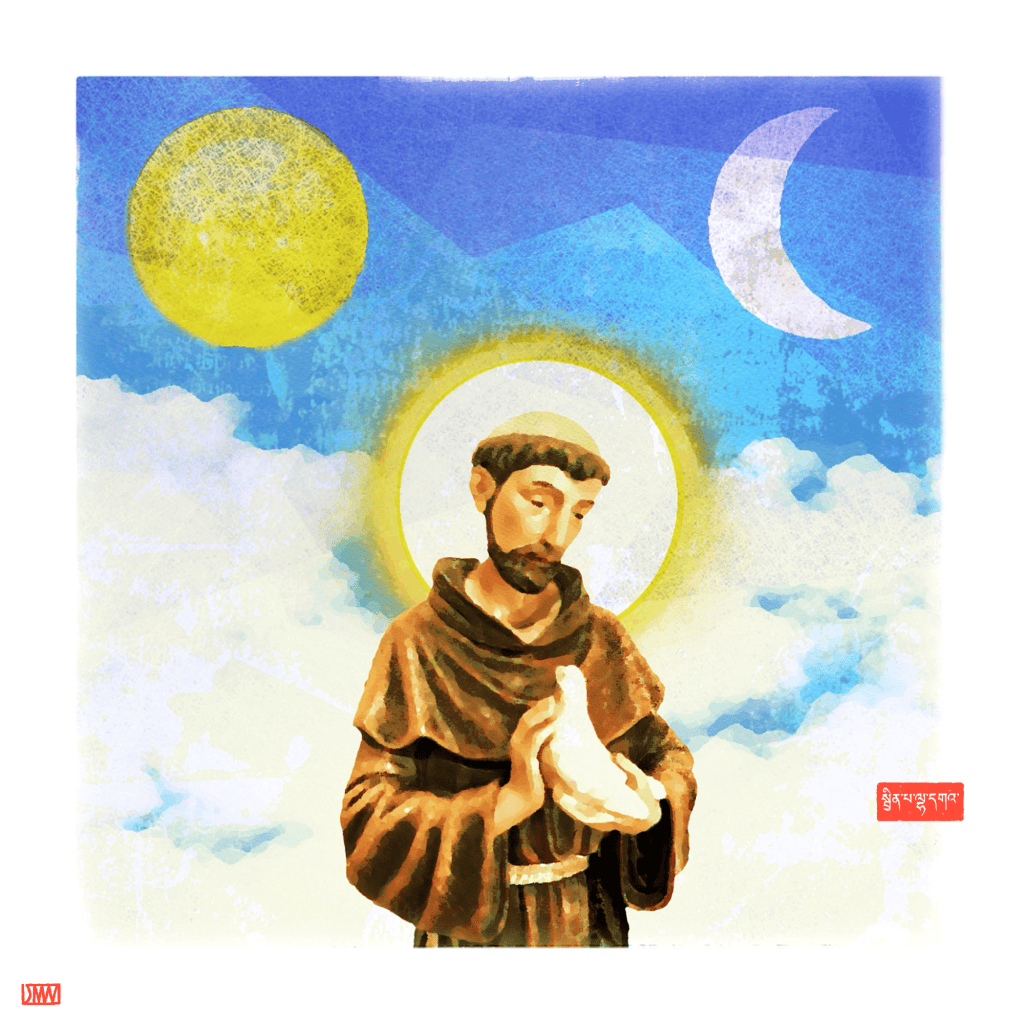
Pope Francis & his Good Shepherd cross – an embodiment of love that doesn’t give up or leave anyone behind or abandoned – have a special place on my alter, reminding me of how i want to live & love in this precious life. may Francis’ message of inclusive lived love continue to influence & benefit.
who are we leaving out of our love? who are we allowing to be killed by war, mass death & destruction in the name of self-defense, security, & God?
who are we allowing to be starved, untreated, unhoused, unnoticed – because there just isn’t enough, while billionaire wealth continues to soar?
if we let even one precious, sacred life slip out of our sphere of love, our love is incomplete. if we cannot recognize the fullness of love here & now, how do we expect that we will hereafter?
more & more i am convinced that the narrow gate we must enter, as Jesus names it, is not some purity test, but love in its fullness. the one thing we seem so deeply averse to, so willing to dismiss or excuse ourselves from entering, because the “other” in our mind doesn’t fit our definition of acceptable, worthy, or sacred. love in its fullness is the one thing that asks everything of us & from us. yet, perhaps there are a thousand ways, as Buddhism infers, of entering this path, this narrow gate. life provides, life is always teaching & opening. are we willing to see, are our hearts open to such possibility & opportunity to be in union with the fullness of love? to bring benefit, healing, & life to this world, rather than harm, death, & destruction?
where our love is being withheld, that is where our work is, where our practice is, where we will discover there is no separation, no “other”. there is only, ultimately, love.