
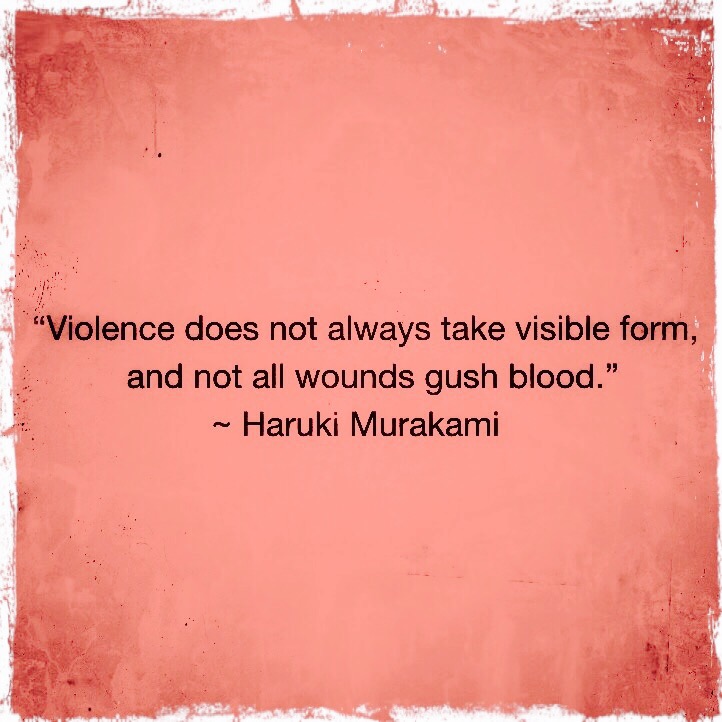
be mindful of your thoughtsbe mindful of your words…
#Nonviolence365 #kindness #compassion #gentleness #nonviolence #peace #wisdom #calm #community #Interconnectedness #bodhichitta #bodhisattva
be mindful of your thoughtsbe mindful of your words…
#Nonviolence365 #kindness #compassion #gentleness #nonviolence #peace #wisdom #calm #community #Interconnectedness #bodhichitta #bodhisattva
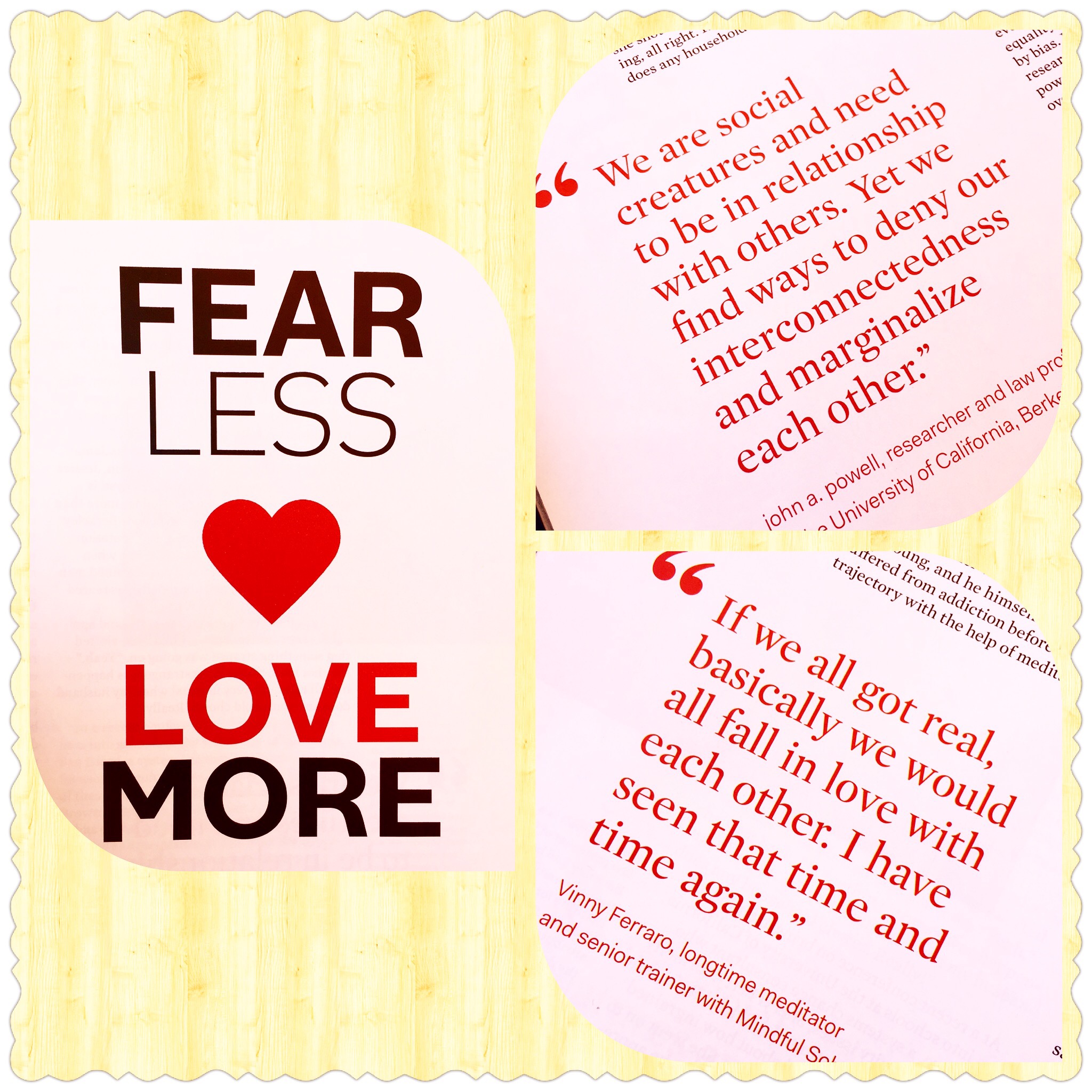

two quotes to inspire, when times seem dark, when our faith wanes and what we can do, feels like too little…
“You’re not allowed to lose faith. You’re not allowed to lose hope on behalf of all people who are suffering around the world”.
~ Jane Goodall
“My advice for people is to love the world they are in, in whatever way makes sense to them. It may be devotional practice, it may be song or poetry, it may be by gardening, it may be as an activist, scientist, or community leader. The path to restoration extends from our heart to the heart of sentient beings, and that path will be different for every person.”
~ Paul Hawken
Love can be found anywhere…
 act in faith, act with love…
wishing you happiness and peace as we practice, in faith, this love together
~j


An old Hassidic rabbi once asked his pupils how they could tell exactly when the night had ended and the day begun (daybreak is the time for certain holy prayers). “Is it when you can see an animal in the distance and tell whether it is a sheep or a dog?” one student proposed. “No,” answered the rabbi. “Is it when you can clearly see the lines on your own palm?” another asked. “Is it when you can look at a tree in the distance and tell if it is a fig or a pear tree?” “No,” answered the rabbi each time. “Then, what is it?” the pupils demanded. “It is when you can look on the face of any man or woman and see that they are your sister or brother. Until then it is still night.”
~ as told by Jack Kornfield in his book:
Bringing Home the Dharma: Awakening Right Where You Are

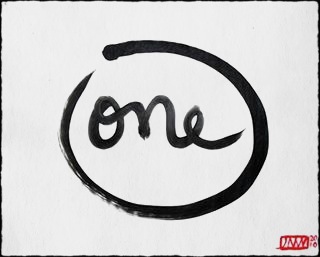
it is, it seems to me, the courage to recognize that whether in our joy or suffering, we are One. there is no division, no duality. just One.
it is why i practice Buddhism, it is why i still love the teachings of Jesus who aligned himself with the poor and those who were outcasts. it is why i find the words of the current Pope encouraging.
and when it seems impossible to live this Compassion, to live as One, we can take comfort and encouragement in each other as we practice together.
Solidarity Saturday
Saturday, January 26th 2013

sometimes
it is all i can do
to just sit
here in this naked moment
this uneasy
space
my heart broken open
how else can all this Love pour out?
Hmmm….“Making Friends with Sadness.”
You may be asking, “Who would want to do that?!” And this would be a good and understandable question. Sadness, like pain and quite a few other uncomfortable aspects of this life, is a thing that we are normally trying to avoid, or escape if caught by it.
Now, to be clear, in this blog entry I am not referring to clinical depression, which is a serious condition that needs professional assistance. I have had some depression in my own life and have had a number of close friends and family who have suffered from this illness. Many have benefitted from both therapeutic and medicinal assistance. And if you are suffering in a way that limits your life, affects your ability to work or function normally, or is causing harm to yourself and those close to you, then please care for yourself enough to seek help. If you had asthma and were constricted in your ability to breathe, would you not seek help? Why drown when all around you is shore, wanting to feel your tender feet grounded on its warm sand? This being said, understanding sadness in the way that I am talking about with this blog entry will, I think in addition to therapy, also benefit those suffering from this illness.
There is a social aspect to this. Society, particularly a culture built on seeking pleasure and attaining, frowns on sadness and melancholy. As the sayings go, “Stiff upper lip”, “Pull up your bootstraps”, and “Get back up on the horse.” Perhaps it isn’t such a bad thing to stay on the ground a bit, laying there – taking it all in, before we get back up on the horse. Perhaps we can allow ourselves a frown now and then, perhaps we should just take off the boots and let our feet breathe. Perhaps if we gave ourselves permission to have the experience of feeling sadness, we could do just that – feel sadness, rather than pretending it doesn’t exist or secretly identifying as sad.
If we allow sadness to rise and fall, to live and die, to arrive and pass, then it will do just that rather than burying itself deeper within as we ignore it and hush it away. I think a lot of our non-clinical or chemically induced depression may lessen or go away if we would allow ourselves to feel sad when life presents sadness. The Franciscan Richard Rohr quite popularly says, “What we don’t transform, we transmit.” Allow sadness for what it is, and give yourself – your heart, the opportunity to transform. Transformed people are awesome people, benefitting the world through their own lives.
The great Tibetan meditation master, Chögyam Trungpa Rinpoche, talks about this practice of opening heart and staying with sadness in the following…
“When you awaken your heart…you find, to your surprise, that your heart is empty. You find that you are looking into outer space. What are you, who are you, where is your heart? If you really look, you won’t find anything tangible and solid. Of course, you might find something very solid if you have a grudge against someone or you have fallen possessively in love. But that is not awakened heart. If you search for awakened heart, if you put your hand through your rib cage and feel for it, there is nothing there except tenderness. You feel sore and soft, and if you open your eyes to the rest of the world, you feel tremendous sadness. This kind of sadness doesn’t come from being mistreated. You don’t feel sad because someone has insulted you or because you feel impoverished. Rather, this experience of sadness is unconditioned. It occurs because your heart is completely exposed. There is no skin or tissue covering it; it is pure raw meat. Even if a tiny mosquito lands on it, you feel so touched. Your experience is raw and tender and so personal. It is this tender heart of a warrior that has the power to heal the world.”
~ Chögyam Trungpa Rinpoche
(Shambhala: The Sacred Path of the Warrior)
Likewise, one of my favorite teachers and one of Rinpoche’s foremost students, Pema Chödrön, says it like so…
“Sometimes the completely open heart and mind of bodhichitta is called the soft spot, a place as vulnerable and tender as an open wound. It is equated, in part, with our ability to love….Sometimes this broken heart gives birth to anxiety and panic, sometimes to anger, resentment, and blame. But under the hardness of that armor there is the tenderness of genuine sadness. This is our link with all those who have ever loved. This genuine heart of sadness can teach us great compassion. It can humble us when we’re arrogant and soften us when we are unkind. It awakens us when we prefer to sleep and pierces through our indifference. This continual ache of the heart is a blessing that when accepted fully can be shared with all.”
~ Pema Chödrön
(When Things Fall Apart: Heart Advice for Difficult Times)
This is, I believe, the heart of Jesus as when he said, “O Jerusalem, Jerusalem, you who kill the prophets and stone those sent to you, how often I have longed to gather your children together, as a hen gathers her chicks under her wings…” (Matthew 23:37) So often we have been Jerusalem ourselves, so often we have been deaf to such wisdom, closed to such love, blind to a heart capable of holding the entire world and its pain – ours included.
We can sit and “meditate” all we want. We can wear as many WWJD Bracelets as we can fit on our arm (for those who don’t know, WWJD is short for the phrase – What Would Jesus Do?). But unless we are willing to open our hearts to sadness, ours and others, to face it and allow space for it, to care for it with gentleness and compassion – unless we are willing to be this brave, then we will continue to suffer. We cannot avoid sadness, just as we cannot avoid pain. But like pain, if we continue to work at evading sadness, because it makes us uncomfortable, then we will live a life not whole – a life incomplete. Surely if we are to know joy and abundance fully, then we must also know sadness and loss. Life is both. Love holds both.
So we practice and we learn to live with sadness as we live with joy, knowing that both are a part of the whole. Gaining insight that both serve as teachers as we continue to expand our hearts’ capacity to hold this entire world with compassion, but also the wisdom of mind to let go. It is not that we should hold onto sadness, grasping. We should simply allow it and then let it go on its way. It may seem in the moment that it never will leave, but we simply breathe with it. Breathing in, we say to ourselves “so this is sadness”. We sense how it feels in our body, where it rests. Is our chest heavy? Is our throat tight? Do we feel pressure in our eyes or queasy in our stomach? It is important to recognize the reality of what we are feeling. However, rather than getting caught up in these feelings, we simply label them. “This is sadness, this is how sadness feels.” We are that which is observing. We are not the sadness, we are not the storyline. We are watching it as it happens.
And something amazing happens as we make friends and peace with this sadness rather than ignoring it or fighting it…it eventually lessens and loses its overwhelming grip. And another miraculous thing happens. As we feel this sadness in our bodies and recognize it, we realize that this is how other people feel. This is what other people are experiencing…loss, pain, sadness. And this sadness that has pulled us from life has now given us a great gift – awareness. We are now aware that we all share in this sadness and knowing how it feels – the heavy chest, the eyes ready to burst, the stomach flipped over, and the throat tight – we wish everyone to be free of such suffering, wishing no one to have to go through this. That wish for no one to go through such suffering is, as Pema says above, bodhicitta. And perhaps after feeling this wish to have no one suffer as we have, we begin to work to end this suffering not only for ourselves, but for others. This is what it is to be a bodhisattva. This is what it is to be a peacemaker. This is what it is to be a healer. This is what it is to be truly YOU.
And this isn’t all gloomy. Transformed people, those who have faced their sadness, often with their wisdom have a great sense of humor and the heartiest of laughs. The Dalai Lama comes to mind along with two of my favorite comedians – George Carlin and Ellen DeGeneres.
Being you means feeling happiness at times and sadness in others. This is the joy and fullness of our life – to be whole. With this appreciation, with this awareness, we are capable of laughing and crying fully and completely with all who have come before and all who will come after.
One laughing, one crying. One joy and one sadness.
Namasté
For more reading on this Solidarity Thursday topic, please check out these wonderful blogs: Ben at The Horizontalist, Esther at Church in the Canyon, and with a unique perspective, Triskaidekapod.
 The Metta Garden